
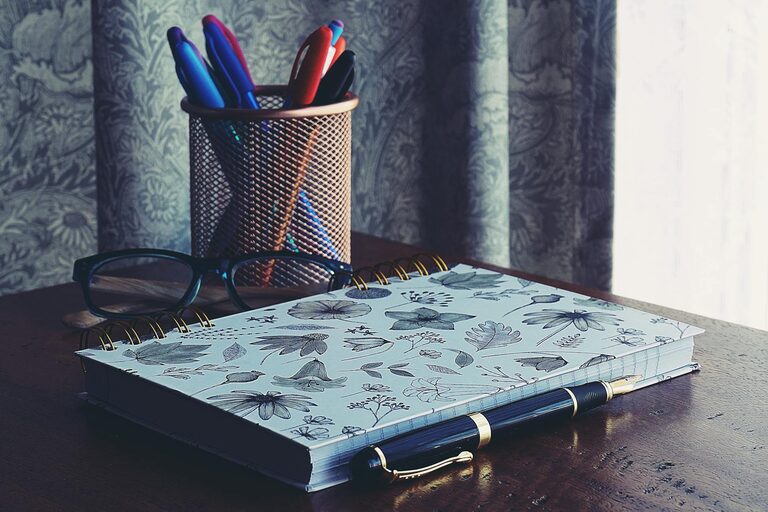
Choosing the right notebook can make a big difference in how often you use it and how much you enjoy writing, planning, or sketching. With so many options available, from plain journals to fancy planners, it can be overwhelming to pick one that truly suits your needs. Whether you want a notebook for work notes, personal journaling, or creative ideas, this guide will help you find one you’ll actually use regularly.
Understand Your Purpose
Before shopping for a notebook, think about what you want to use it for:
– Work or study notes: You might need something durable with clear lines or grids.
– Creative writing or journaling: You may prefer blank or dotted pages for flexibility.
– Planning and organizing: Look for notebooks with dated pages or sections to keep track of tasks.
– Sketching or drawing: A notebook with thick, high-quality paper that can handle pencils, pens, or markers is best.
Knowing your primary purpose narrows down your options and helps you focus on key features.
Consider the Size and Portability
Notebooks come in many sizes, and the one you choose should match how you plan to carry and use it.
– Pocket-sized (A6 or smaller): Very portable, great for quick notes or journaling on the go.
– Medium-sized (A5): A popular size that strikes a balance between portability and writing space.
– Large-sized (A4 or letter size): Offers plenty of room for detailed notes or sketches but is less portable.
Ask yourself if you want a notebook that fits easily into your bag or one that you’ll mostly use at a desk.
Choose the Right Paper Type
Paper quality affects your writing experience and the durability of your notebook.
– Weight: Measured in grams per square meter (gsm). Heavier paper (80gsm and above) prevents ink from bleeding and works better with markers.
– Texture: Smooth paper suits ballpoint and gel pens, while slightly textured paper is pleasant for fountain pens and pencils.
– Color: Most notebooks use white or cream paper. Cream can reduce glare and feel softer on the eyes.
If you use fountain pens or markers, look for notebooks designed to handle those inks without bleed-through.
Decide on Page Layout
How the pages are lined will impact how you write or draw:
– Lined: Classic choice for writing essays, notes, and journaling.
– Dotted: Offers subtle structure without overwhelming, ideal for bullet journaling and sketching.
– Grid/Graph: Great for technical notes, diagrams, and graphs.
– Blank: Offers freedom with no restrictions, perfect for drawing or mind mapping.
Many notebooks offer a combination of layouts, or you can find specialized notebooks based on your needs.
Binding and Cover: Durability and Style
The binding type affects how your notebook lies flat and how durable it is:
– Spiral binding: Allows the notebook to fold back on itself, useful for note-taking on small surfaces.
– Thread-sewn or perfect binding: Looks cleaner and often more durable, but may not lay flat as easily.
– Hardcover: Protects pages better, offers a sturdy writing surface.
– Softcover: More flexible and lightweight, better for carrying around.
Consider a cover style and material that feels right to you, whether that’s classic leather, colorful fabric, or recycled cardboard.
Additional Features to Look For
Extra features can make your notebook easier and more enjoyable to use:
– Page numbers and index: Helpful for quick reference.
– Built-in bookmarks or elastic closures: Keep your place and protect pages.
– Pockets: Handy for storing notes, receipts, or business cards.
– Perforated pages: Good if you want to easily tear out sheets.
– Pen loops: Keep your writing instrument attached and ready.
Choose extras that align with the way you’ll actually use your notebook.
Test Before You Commit
If possible, visit a store and handle a few notebooks before buying:
– Open the notebook and see how it feels in your hand.
– Try writing with your favorite pen to test paper quality.
– Consider the weight when carrying it around.
– Check if you like the page layout and line spacing.
If buying online, look for detailed reviews and return policies. Sometimes, trying a basic notebook from a local store first can help you understand what you prefer.
Tips to Make Sure You Use Your Notebook
Once you’ve chosen the perfect notebook, these habits will help you use it consistently:
– Keep it accessible: Store it where you’ll see it daily, like your desk or bag.
– Set a routine: Dedicate a few minutes each day or week to write or plan.
– Use it for something you care about: Your favorite hobby, goal tracking, or creative projects.
– Combine with other tools: Use digital reminders or apps to complement your notebook use.
A notebook tailored to your style and purpose, combined with small habits, will keep you coming back to it.
Conclusion
Choosing a notebook you’ll actually use means thinking about your unique needs and preferences—from size and paper type to binding and extra features. By understanding your goals and testing your options, you’ll find a notebook that feels like an extension of your creativity and organization. With the right notebook in hand, jotting down thoughts, planning your day, or sketching ideas will become a pleasant, motivating habit. Happy writing!