
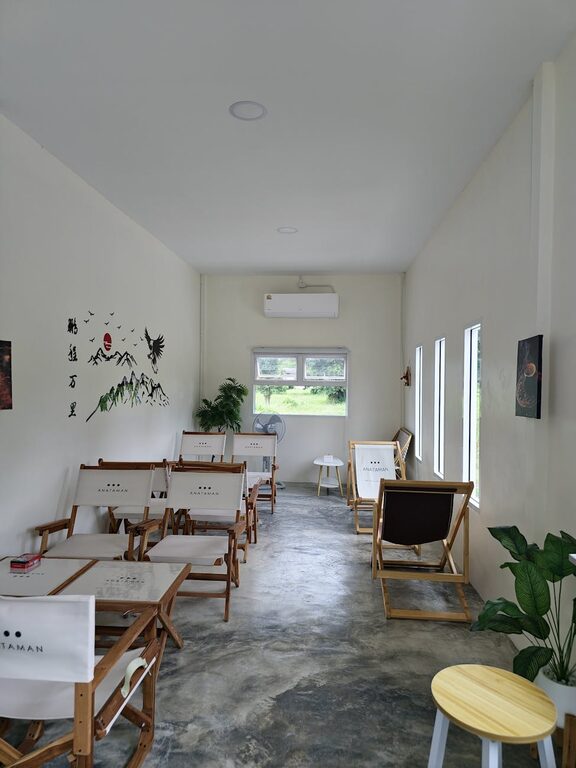
Bringing plants into your home is an easy and rewarding way to refresh your living spaces. Not only do plants add natural beauty, but they also improve air quality and create a calming atmosphere. Whether you’re a seasoned plant lover or new to gardening, this guide will help you choose and care for plants that fit your style and space.
Why Add Plants to Your Home?
Plants do more than just look nice. Here are some benefits of incorporating greenery into your rooms:
– Improved air quality: Many indoor plants help filter toxins and release oxygen.
– Stress relief: Being around plants can lower anxiety and boost mood.
– Aesthetic appeal: Plants add texture, color, and life to any area.
– Natural decor: They complement different styles, from modern to rustic.
Choosing the Right Plants for Your Space
Before picking your plants, consider the following factors:
Light Availability
Different plants thrive under different light conditions. Examine the natural light in each room to determine the best options.
– Bright, direct light: Succulents, cacti, and fiddle leaf figs.
– Moderate light: Snake plants, pothos, and peace lilies.
– Low light: ZZ plants, philodendrons, and cast iron plants.
Maintenance Level
Be honest about how much time you can dedicate to plant care.
– Low maintenance: Succulents, snake plants, pothos.
– Medium care: Spider plants, Boston ferns.
– High care: Orchids, some ferns.
Space Constraints
Think about where your plants will live.
– Small spots: Mini succulents on shelves, hanging planters.
– Larger areas: Floor plants like monstera, palm trees.
– Windowsills: Herbs, small flowering plants.
Creative Ways to Display Plants
Adding plants is not just about placing pots on a shelf. Experiment with different ideas:
– Hanging Planters: Save floor space and add vertical interest.
– Terrariums: Glass containers make a beautiful home for small plants.
– Plant Stands: Elevate your greenery using stylish stands.
– Window Gardens: Use sunny windowsills to grow herbs or flowers.
– Wall-mounted Planters: Decorate walls with mounted pots or plant frames.
Caring for Your Indoor Plants
Maintaining healthy plants involves simple routines:
Watering Tips
– Water according to each plant’s needs; some prefer moist soil, others dry.
– Use room temperature water and avoid overwatering.
– Check soil moisture by sticking your finger an inch in before watering.
Light and Position
– Rotate plants occasionally for even growth.
– Move plants if they look leggy or pale due to insufficient light.
Feeding and Pruning
– Use diluted indoor plant fertilizer monthly during growing seasons.
– Remove yellow or dead leaves to encourage new growth.
Pest Control
– Inspect plants regularly for pests like spider mites or aphids.
– Wipe leaves with a damp cloth or use natural remedies if needed.
Adding Plants to Different Rooms
Plants can transform any room with a few thoughtful choices.
Living Room
Create a focal point with a large potted plant or a cluster of smaller ones on a side table. Choices like rubber plants and peace lilies work well here.
Bedroom
Add air-purifying plants such as snake plants or aloe vera to improve air quality and create a restful vibe.
Kitchen
Herbs like basil, thyme, and mint can thrive on sunny windowsills and are great for cooking.
Bathroom
Many ferns and tropical plants enjoy the humidity found in bathrooms. Try Boston ferns or orchids.
Final Tips for Success
– Start with a few plants and expand as you get comfortable.
– Group plants with similar care needs together.
– Experiment with different pots and decorative elements to match your style.
– Be patient; plants take time to settle and grow.
Making your home feel fresh and inviting doesn’t have to be complicated. With the right plants and a little care, you can enjoy a greener, more vibrant space all year round. Happy planting!